
The Fourth of July is a time for family, friends, backyard barbecues, and fireworks. While it’s one of the most celebrated holidays of the year, it can also be one of the most dangerous times for our furry family members.
Each year, veterinary hospitals see an increase in emergency visits related to holiday celebrations. A little planning can go a long way in keeping your pets safe, comfortable, and stress-free.
1. Fireworks Can Be Frightening
The loud booms, flashing lights, and unfamiliar smells of fireworks can cause significant anxiety in pets. Even normally calm dogs and cats may panic, bolt through doors or fences, or hide in unsafe places.
Keep your pet safe by:
- Keeping them indoors before fireworks begin.
- Closing windows, curtains, and blinds to reduce noise and flashes.
- Playing calming music or turning on the television to help mask outside sounds.
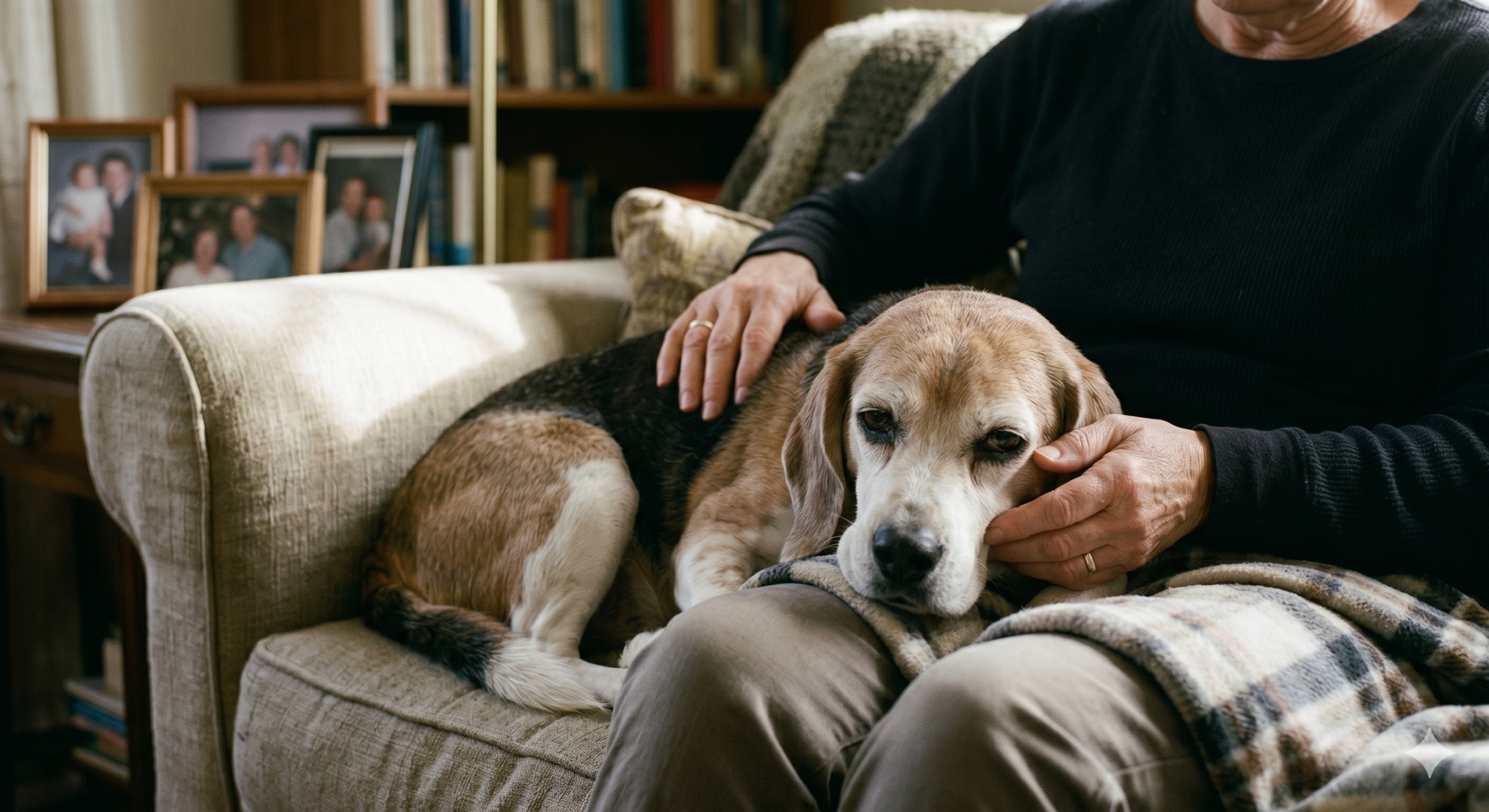
- Creating a quiet, comfortable space where they can relax.
- Ensuring your pet is wearing identification tags and that their microchip information is current.
If your pet has severe anxiety around fireworks, talk with your veterinarian before the holiday. Prescription anti-anxiety medications or calming supplements may help make the evening less stressful.
2. Skip the Table Scraps
Holiday cookouts often include foods that can upset your pet’s stomach—or even be toxic.
Avoid giving pets:
- Corn cobs
- Cooked bones
- Fatty meats
- Onions and garlic
- Grapes and raisins
- Chocolate
- Desserts containing xylitol (a sugar substitute)
Even if foods aren’t toxic, rich or fatty meals can lead to vomiting, diarrhea, or pancreatitis.
3. Keep Alcohol Away
Alcoholic beverages should always be kept out of reach of pets. Even small amounts can cause serious health problems, including:
- Vomiting
- Difficulty walking
- Low blood sugar
- Trouble breathing
- Seizures
- Coma
If you suspect your pet has consumed alcohol, contact your veterinarian immediately.
4. Fireworks and Glow Items Are Not Toys
Fireworks contain chemicals and explosives that can be extremely dangerous if chewed or ingested.
Sparklers also pose a risk because they reach temperatures hot enough to cause severe burns. Glow sticks and glow jewelry are generally less toxic, but they can cause drooling and stomach upset if punctured.
Keep all fireworks, matches, lighters, and glow products stored safely away from curious noses and paws.
5. Watch for Heat
July temperatures can climb quickly, making heat-related illness a real concern.
Protect your pet by:
- Providing plenty of fresh water.
- Offering shade if they’re outdoors.
- Limiting activity during the hottest parts of the day.
- Never leaving your pet in a parked vehicle—even for a few minutes.
Signs of heatstroke include excessive panting, drooling, weakness, vomiting, collapse, or difficulty breathing. Heatstroke is a medical emergency and requires immediate veterinary care.
6. Secure Gates and Doors
With guests coming and going, doors and gates are often left open longer than usual. A frightened pet can slip outside in seconds.
Before guests arrive:
- Check that fences and gates are secure.
- Keep pets in a separate room if people will be entering and exiting frequently.
- Verify your pet’s ID tags and microchip information are up to date.
When to Seek Emergency Care
Contact your veterinarian or an emergency veterinary hospital immediately if your pet:
- Escapes during fireworks.
- Eats fireworks, chocolate, alcohol, or other toxic foods.
- Experiences persistent vomiting or diarrhea.
- Has trouble breathing.
- Suffers burns or injuries.
- Shows signs of severe anxiety that cannot be managed safely.
- Displays symptoms of heatstroke.
Have a Happy—and Safe—Fourth of July!
With a little preparation, you can help your pets enjoy a safe and comfortable holiday while the rest of the family celebrates. Keeping them indoors, away from hazards, and in a calm environment can make all the difference.
From all of us, we wish you, your family, and your four-legged friends a fun, safe, and happy Fourth of July!